 ENGLISH
 KOREAN
 Spanish
 RUSSIAN
 Armenian
 FILIPINO
 Chinese (Simplified)
 Chinese (Traditional)

As biking continues to grow in popularity, so do concerns about safety and injury prevention. While cycling offers significant physical and mental health benefits, understanding potential risks is key to riding safely.
Aaron Katrikh, MD, an emergency medicine physician at CHA Hollywood Presbyterian Medical Center, shares expert insights on common bicycle injuries, prevention strategies, and when to seek medical care.
What are the most common bicycle injuries and how can they be prevented?
Bicycle injuries can span a broad spectrum, but most are on the minor side. Common injuries include scrapes, bruises, and minor cuts, many of which can be managed at home with proper first aid.
If patients choose to manage injuries at home rather than coming into the ER, thorough cleaning with water is essential. This does not need to be sterile. Tap water with soap is sufficient to wash out the wound.
After cleaning, the wound should be kept covered to prevent infection using a Band-Aid or gauze. To prevent gauze from sticking during healing, applying something like Vaseline or an antibiotic ointment before covering is recommended.
If a wound continues bleeding or appears open or gaping, it may require a laceration repair, such as stitches.
Most injuries seen in the ER involve the extremities. Significant swelling, bruising, or inability to move a joint are reasons to seek medical evaluation, and imaging such as X-rays may be considered.
When should someone go to the emergency room after a bicycle accident?
Certain symptoms should prompt evaluation in the emergency room.
Head injuries are a major concern and can range from minor bruising to more serious conditions. Symptoms such as nausea, vomiting, loss of consciousness, headaches, or a high-speed fall should be evaluated, and imaging such as a CT scan may be considered.
A concussion is not permanent damage to the brain but can cause fatigue, difficulty concentrating, nausea, vomiting, and mild headaches. More serious injuries, such as brain injury or bleeding, can occur but are less common.
Chest and abdominal trauma should not be overlooked. Symptoms such as chest pain, shortness of breath, or abdominal pain after a fall, particularly at higher speeds, warrant medical evaluation.
Can dehydration be a concern while biking?
Yes, dehydration can occur with biking, as with any physical activity.
On hot days, riders may feel the cooling effect of wind and not realize how much they are sweating. This can lead to dehydration without being immediately noticeable.
Staying hydrated is important. If someone experiences fatigue, difficulty walking, or other concerning symptoms after a ride, they should be evaluated.
How effective are helmets?
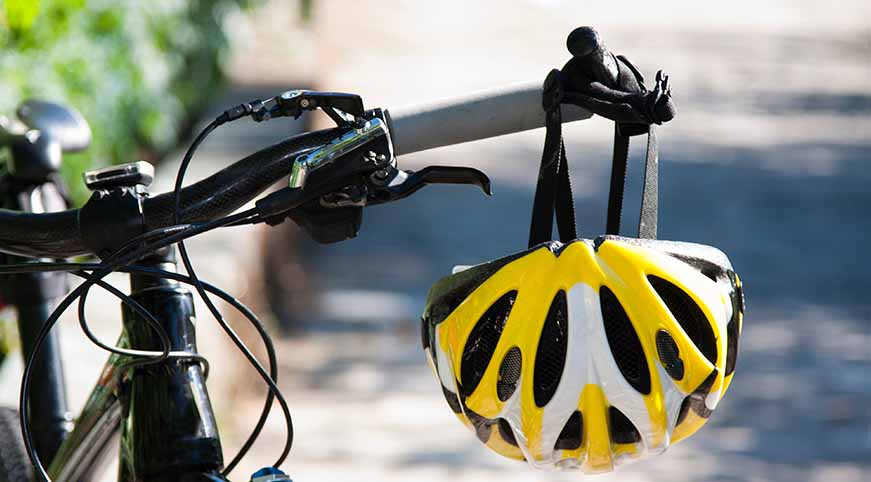
Helmets do save lives, and the data supporting their use is clear.
Wearing a helmet can reduce the risk of death by approximately 20 to 30 percent and decrease overall head injuries by 50 to 60 percent.
This is particularly important for children, who have a larger head-to-body ratio and tend to absorb more force to the head during an injury.
For both adults and children, helmet use is strongly recommended.
What other protective gear should cyclists consider?
In addition to helmets, visibility and protection are important.
Reflective clothing is especially important in low-light conditions. Lights, including a headlight or headlamp and a rear light, help ensure that cyclists are visible to drivers.
Eye protection is also recommended, as debris and dust can enter the eyes during a fall.
Gloves or hand grips can help protect the hands and improve grip, especially in wet conditions.
Breathable, fitted athletic wear may provide better protection compared to loose cotton clothing, which offers little protection against road rash.
Do the benefits of biking outweigh the risks?
Yes, biking offers significant benefits.
Regular physical activity is associated with improved overall health, and individuals who are more active tend to have better health outcomes.
Biking can support mental health by helping improve mood, increase endorphin levels, and regulate stress-related hormones. Being outdoors and exposed to natural sunlight can also have a positive effect.
In addition, increased biking may contribute to reduced pollution and improved air quality, which can have broader impacts on public health.
Who should consult a doctor before starting biking?
Individuals who have not been physically active for a long time or have not had a recent physical exam may benefit from checking in with a physician before starting.
It is recommended to begin gradually and increase activity over time.
If someone experiences chest pain or shortness of breath during activity, they should seek medical evaluation.
Certain conditions, such as uncontrolled seizure disorders, chronic vertigo, balance issues, or neurological conditions, may require additional caution and discussion with a physician.
Patients taking blood thinners can still ride a bike but should take extra precautions due to an increased risk of bleeding with injury.
Go to our Blog


최신댓글